GLP-1 and high blood pressure: what to know in Ireland
GLP-1 and high blood pressure often go together, because excess weight raises blood pressure. Weight loss on these medicines often lowers it, so your blood pressure tablets may need a review. Always tell your prescriber and pharmacist about every medicine you take.
Can you take a GLP-1 medicine if you have high blood pressure?
Often yes, but it is a decision for your prescriber. They look at your blood pressure, your other medicines and your general health before prescribing. High blood pressure on its own does not automatically rule these medicines out. Prescription is required, and the patient leaflet lists who should be careful.
Many people with excess weight also have raised blood pressure. That is one reason doctors take weight seriously. Our guide on who qualifies for weight loss medication in Ireland explains the usual BMI thresholds, and blood pressure can be part of that picture.
If you want the full route, see how to get a prescription in Ireland. Be open about every tablet you take, including over-the-counter products.
The key point with glp-1 and high blood pressure is communication. Your prescriber can only judge what is safe if they know your full list of medicines, your readings and your history. A short, honest conversation at the start saves problems later.
Some people are also prescribed other tablets for cholesterol, diabetes or the heart. Mention those too. Prescribers look at the whole picture, not one condition at a time.
Does weight loss on a GLP-1 lower blood pressure?
Weight loss often lowers blood pressure, whatever method gets you there. That is a well-known effect of losing excess weight. It also means a medicine dose that suited you before may be stronger than you need later. Your prescriber is the right person to review that.
The size of the change differs from person to person, so we do not give figures here. Treatments like Mounjaro and Wegovy are weight management medicines, and a fall in blood pressure can come with the weight loss. Do not stop or reduce your blood pressure tablets yourself. Only your prescriber should change them.
Think of it as two things happening at once. Your weight is coming down, and your body needs less help to keep blood pressure steady. The risk is not the weight loss itself. The risk is carrying on with the same tablet dose without a check.
Reviews are usually simple. A nurse or GP takes your blood pressure, asks about symptoms and decides whether anything needs to change. Ask at the start of treatment when your first check should be.
Many readers ask whether glp-1 and high blood pressure treatment is a good match. For many people the answer is yes, with monitoring. That monitoring is the part you should not skip.
Should you tell your doctor about your blood pressure tablets?
Yes. Tell your prescriber and pharmacist about all your medicines, including blood pressure tablets, before you start and whenever something changes. They can check for problems and plan when to review your readings. This is the single most useful step you can take.
In practice, that means:
- Bring a list of your medicines to every appointment.
- Tell your pharmacist if a new prescription is added.
- Ask when your blood pressure should next be checked.
- Mention any dizziness or tiredness early.
Our guide to blood tests before starting a GLP-1 covers other checks your prescriber may suggest.
Pharmacists are easy to reach and can often answer quick questions without an appointment. If you pick up repeat prescriptions from the same pharmacy, they can see your history and spot clashes. That makes them a useful second pair of eyes.
What symptoms should you watch for?
Watch for dizziness, light-headedness or feeling faint, especially when you stand up. These can happen if blood pressure runs low, or if you are dehydrated. Tell your prescriber if they appear. If you feel very unwell or faint, seek urgent medical help.
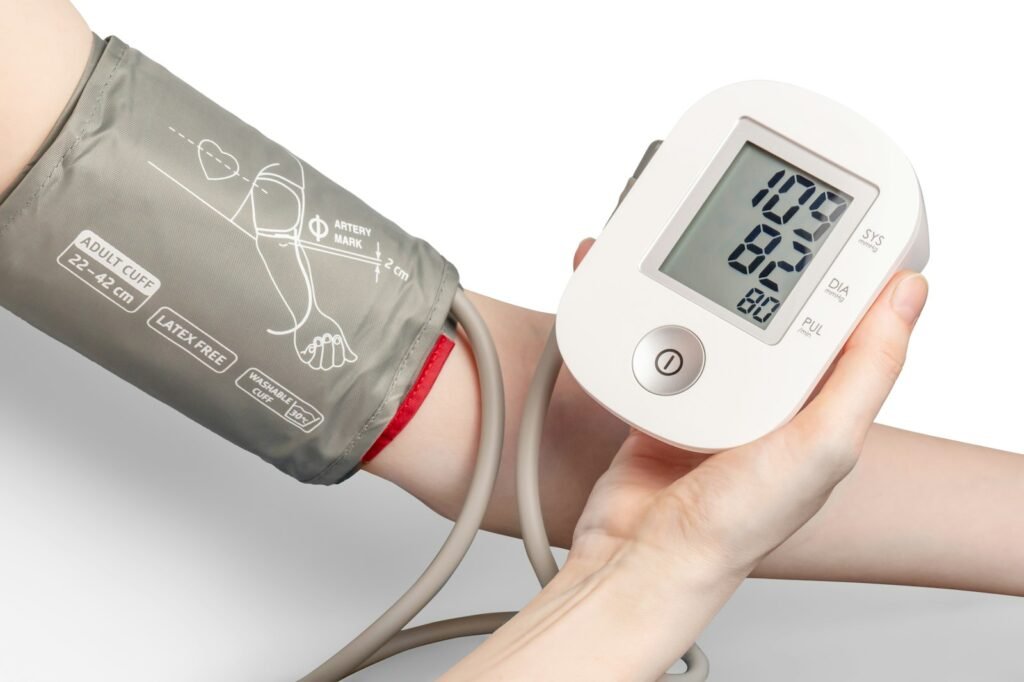
Home readings can help. If you already measure your own blood pressure, keep a simple log and show it to your GP or pharmacist. Do not use the numbers to change tablets on your own.
Other things worth reporting include a racing or pounding heartbeat, unusual tiredness, or a sudden change in how you feel. Most of the time these have simple causes. But your prescriber should know, so they can check.
Stand up slowly in the first weeks, particularly in the morning and after a long meal. It is a small habit that can reduce light-headedness while your body adjusts.
Can vomiting or diarrhoea affect your blood pressure?
Yes, indirectly. Vomiting and diarrhoea can leave you dehydrated, and dehydration can cause dizziness and make low blood pressure more likely. Nausea and an upset stomach are common GLP-1 side effects, especially in the early weeks or after a dose increase.
Sip fluids through the day. If you cannot keep fluids down, or you are very dizzy, contact your prescriber or pharmacist. Severe or lasting vomiting needs medical advice. Your leaflet explains which symptoms need prompt attention.
Eating and drinking small amounts often can help when your appetite is low. Our guide to foods to avoid on a GLP-1 lists the things that tend to make nausea worse. Hot weather and alcohol add to dehydration, so go carefully with both.
Do GLP-1 medicines change how your tablets work?
GLP-1 medicines slow how fast the stomach empties. For some tablets, that could change how quickly they are absorbed. Ask your pharmacist whether this matters for yours. Check the Summary of Product Characteristics (SmPC) and the patient leaflet, both available on Medicines.ie.
Do not skip or move a tablet on your own to try to avoid this. Your pharmacist can tell you if anything needs to be timed differently.
There is no need to worry about every tablet you take. Most people have no problem. The point is to ask once, so the answer is on record and you are not guessing.
What happens to your blood pressure if you stop the treatment?
Weight often returns after stopping, and blood pressure can follow it. Everyone is different, so this is worth discussing with your prescriber before any change. Read what happens when you stop in our guide on stopping a GLP-1.
Cost matters for long-term planning too. Our prices page lists current figures, and our guide to Mounjaro cost in Ireland explains the details.
Planning matters here. If you expect to stop at some point, talk to your prescriber early, not after the last pen. They can plan blood pressure checks around any change in treatment.
What should you do next?
Make a short list of your medicines and your recent blood pressure readings. Book a chat with your GP or pharmacist and ask how a GLP-1 might affect your treatment. The HSE has general blood pressure information, and the HPRA publishes medicine safety updates.
This guide is educational. Slim4Medoc is not a pharmacy and does not prescribe. Your own doctor decides what is right for you.
If you are searching for glp-1 and high blood pressure advice, the short version is simple. Tell your prescriber everything, get your blood pressure checked, and never adjust tablets alone.
Sources and further reading
These are general information sources. They are not advice for your own situation, so speak to your prescriber or pharmacist about that.
Glp-1 and high blood pressure: common questions
Weight loss on these medicines often lowers blood pressure. The effect differs between people. Your prescriber may want to review your blood pressure tablets as you lose weight. Do not change your tablets yourself.
Many people do, but your prescriber must know about every medicine you take. Ask your pharmacist whether anything needs timing differently. Check your patient leaflet and the SmPC for your specific tablets.
Dizziness can come from dehydration after vomiting or diarrhoea, or from blood pressure running low. Sip fluids and tell your prescriber. If you feel faint or very unwell, seek urgent medical help.
Possibly, if your blood pressure falls as you lose weight. That decision belongs to your prescriber. Keep any readings you take and share them at your review rather than adjusting tablets yourself.
No. Ozempic is licensed for type 2 diabetes in Ireland, and weight loss use is off label. Mounjaro and Wegovy are licensed for weight management. Prescription is required for all of them.